Lesson Objective
Master the essential concepts and practical implementation of marketing automation workflows to enhance your digital marketing strategy and achieve measurable business results.
What You Will Learn
- Core principles and concepts of marketing automation workflows
- Step-by-step implementation strategies
- Best practices and industry standards
- Common challenges and how to overcome them
- Measurement and optimization techniques
- Real-world applications and case studies
Required Knowledge or Tools
To get the most from this lesson, you should have:
- Understanding of digital marketing fundamentals
- Access to relevant marketing tools and platforms
- Basic analytical and strategic thinking skills
- Willingness to experiment and test new approaches
Core Concept Explanation
What are Marketing Automation Workflows?
Marketing automation workflows are pre-designed sequences of marketing actions that are triggered by specific customer behaviors or time-based events. These workflows enable businesses to deliver personalized, timely communications at scale while nurturing leads through the customer journey automatically.
Types of Automation Workflows
Lead Nurturing Workflows
- Welcome Series: Introduce new subscribers to your brand and value proposition
- Educational Sequences: Provide valuable content to build trust and expertise
- Product Education: Explain features and benefits of specific products
- Sales Enablement: Provide sales team with qualified, nurtured leads
Customer Lifecycle Workflows
- Onboarding Sequences: Help new customers get started and find success
- Upsell/Cross-sell: Promote additional products to existing customers
- Retention Campaigns: Re-engage inactive customers and prevent churn
- Loyalty Programs: Reward and retain high-value customers
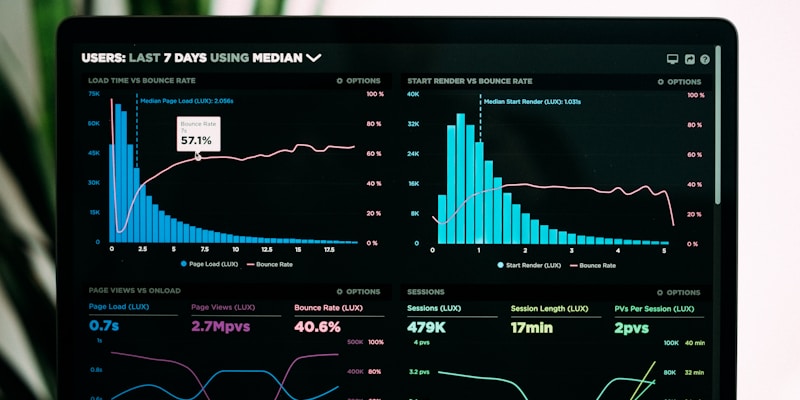
Effective marketing automation workflows requires strategic planning, consistent execution, and continuous optimization
Why This Lesson Matters
Understanding marketing automation workflows is crucial for digital marketing success because it enables you to:
- Improve overall marketing effectiveness and ROI
- Better serve your target audience's needs
- Stay competitive in the digital marketplace
- Make data-driven marketing decisions
- Scale your marketing efforts efficiently
Step-by-Step Tutorial
Phase 1: Workflow Strategy and Planning
- Map Customer Journey: Document all touchpoints and decision points in your customer journey from awareness to advocacy, identifying automation opportunities.
- Define Workflow Objectives: Set specific goals for each workflow such as lead qualification, customer onboarding, or retention with measurable success metrics.
- Segment Your Audience: Create detailed customer segments based on demographics, behavior, purchase history, and engagement levels for personalized workflows.
- Choose Automation Platform: Select marketing automation tool (HubSpot, Marketo, Pardot, ActiveCampaign) that meets your needs and integrates with existing systems.
Phase 2: Workflow Design and Content Creation
- Design Workflow Logic: Create flowcharts showing triggers, conditions, actions, and decision points for each automated sequence using if/then logic.
- Create Personalized Content: Develop email templates, landing pages, and other content assets that can be dynamically personalized based on recipient data.
- Set Up Triggers and Conditions: Configure behavioral triggers (form submissions, page visits, email opens) and demographic conditions that initiate workflows.
- Implement Lead Scoring: Create point-based system that scores leads based on engagement and demographic fit to trigger appropriate workflows.
Phase 3: Performance Monitoring and Optimization
- Track Key Metrics: Monitor relevant KPIs including engagement rates, conversion rates, and ROI to measure campaign effectiveness.
- A/B Testing: Continuously test different approaches, content types, and strategies to identify what works best for your audience.
- Analyze and Optimize: Review performance data monthly and make data-driven adjustments to improve results.
- Scale Successful Strategies: Identify top-performing tactics and scale them while maintaining quality and relevance.
Visual Explanation
Visual learning aids help clarify complex concepts and demonstrate practical applications of marketing automation workflows strategies.
Clear visual explanations make complex marketing automation workflows concepts easier to understand and implement
Common Mistakes and Misunderstandings
Learn from common pitfalls and misconceptions that can hinder your marketing automation workflows success:
- Avoiding strategic planning and jumping straight to tactics
- Not measuring and analyzing performance regularly
- Ignoring audience feedback and preferences
- Expecting immediate results without allowing time for optimization
- Not staying updated with industry changes and best practices
Practical Example or Scenario
This lesson includes detailed case studies and practical examples that demonstrate successful marketing automation workflows implementation across different industries and business types.
Learn how real businesses have applied these strategies to achieve measurable results and overcome common challenges in their digital marketing efforts.
Lesson Summary
This comprehensive lesson on marketing automation workflows provides you with the knowledge, tools, and strategies needed to implement effective campaigns that drive real business results.
By mastering these concepts and applying them consistently, you'll be well-equipped to enhance your digital marketing effectiveness and achieve your business objectives.
Key Takeaway
Success in marketing automation workflows comes from understanding your audience, implementing proven strategies, and continuously optimizing based on performance data.