Lesson Objective
Master the essential concepts and practical implementation of advanced segmentation and personalization to enhance your digital marketing strategy and achieve measurable business results.
What You Will Learn
- Core principles and concepts of advanced segmentation and personalization
- Step-by-step implementation strategies
- Best practices and industry standards
- Common challenges and how to overcome them
- Measurement and optimization techniques
- Real-world applications and case studies
Required Knowledge or Tools
To get the most from this lesson, you should have:
- Understanding of digital marketing fundamentals
- Access to relevant marketing tools and platforms
- Basic analytical and strategic thinking skills
- Willingness to experiment and test new approaches
Core Concept Explanation
What is Advanced Segmentation and Personalization?
Advanced segmentation and personalization involves using sophisticated data analysis and technology to divide your audience into highly specific groups and deliver tailored experiences to each segment. This approach goes beyond basic demographics to include behavioral patterns, preferences, and predictive analytics.
Types of Advanced Segmentation
Behavioral Segmentation
- Purchase Behavior: Frequency, timing, and value of purchases
- Website Behavior: Pages visited, time spent, and interaction patterns
- Engagement Patterns: Email opens, social media interactions, content consumption
- Customer Journey Stage: Awareness, consideration, decision, retention phases
Predictive Segmentation
- Propensity Modeling: Likelihood to purchase, churn, or upgrade
- Lifetime Value Prediction: Expected long-term customer value
- Next Best Action: Optimal next step for each customer
- Risk Assessment: Probability of customer churn or dissatisfaction
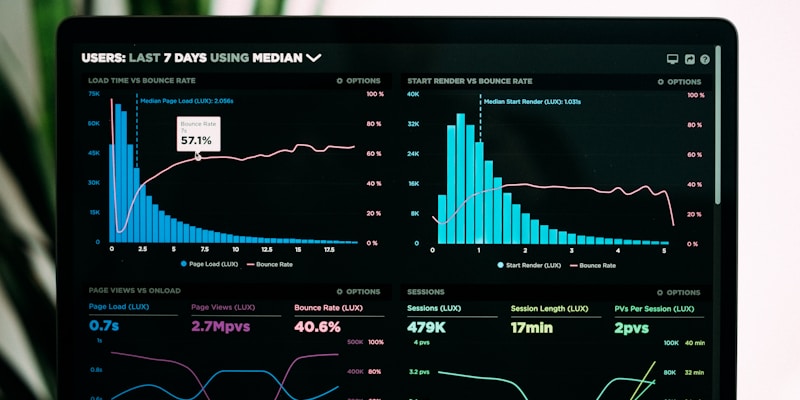
Effective advanced segmentation and personalization requires strategic planning, consistent execution, and continuous optimization
Why This Lesson Matters
Understanding advanced segmentation and personalization is crucial for digital marketing success because it enables you to:
- Improve overall marketing effectiveness and ROI
- Better serve your target audience's needs
- Stay competitive in the digital marketplace
- Make data-driven marketing decisions
- Scale your marketing efforts efficiently
Step-by-Step Tutorial
Phase 1: Data Collection and Integration
- Audit Data Sources: Identify all customer data sources including CRM, website analytics, email platforms, social media, and purchase history.
- Implement Data Integration: Use customer data platforms (CDP) or data warehouses to consolidate customer information from multiple touchpoints.
- Set Up Advanced Tracking: Implement event tracking for detailed behavioral data including micro-conversions, content engagement, and user journey mapping.
- Ensure Data Quality: Clean and standardize data to eliminate duplicates, inconsistencies, and incomplete records for accurate segmentation.
Phase 2: Segmentation Strategy Development
- Define Segmentation Criteria: Establish multiple segmentation dimensions including demographics, behavior, preferences, and value to create comprehensive customer profiles.
- Create Dynamic Segments: Build segments that automatically update based on changing customer behavior and characteristics using marketing automation tools.
- Develop Persona Hierarchies: Create detailed sub-personas within broader segments to enable more precise targeting and personalization.
- Implement Predictive Models: Use machine learning algorithms to predict customer behavior, lifetime value, and optimal engagement strategies.
Phase 3: Performance Monitoring and Optimization
- Track Key Metrics: Monitor relevant KPIs including engagement rates, conversion rates, and ROI to measure campaign effectiveness.
- A/B Testing: Continuously test different approaches, content types, and strategies to identify what works best for your audience.
- Analyze and Optimize: Review performance data monthly and make data-driven adjustments to improve results.
- Scale Successful Strategies: Identify top-performing tactics and scale them while maintaining quality and relevance.
Visual Explanation
Visual learning aids help clarify complex concepts and demonstrate practical applications of advanced segmentation and personalization strategies.
Clear visual explanations make complex advanced segmentation and personalization concepts easier to understand and implement
Common Mistakes and Misunderstandings
Learn from common pitfalls and misconceptions that can hinder your advanced segmentation and personalization success:
- Avoiding strategic planning and jumping straight to tactics
- Not measuring and analyzing performance regularly
- Ignoring audience feedback and preferences
- Expecting immediate results without allowing time for optimization
- Not staying updated with industry changes and best practices
Practical Example or Scenario
This lesson includes detailed case studies and practical examples that demonstrate successful advanced segmentation and personalization implementation across different industries and business types.
Learn how real businesses have applied these strategies to achieve measurable results and overcome common challenges in their digital marketing efforts.
Lesson Summary
This comprehensive lesson on advanced segmentation and personalization provides you with the knowledge, tools, and strategies needed to implement effective campaigns that drive real business results.
By mastering these concepts and applying them consistently, you'll be well-equipped to enhance your digital marketing effectiveness and achieve your business objectives.
Key Takeaway
Success in advanced segmentation and personalization comes from understanding your audience, implementing proven strategies, and continuously optimizing based on performance data.