Lesson Objective
Master the essential concepts and practical implementation of future of digital marketing to enhance your digital marketing strategy and achieve measurable business results.
What You Will Learn
- Core principles and concepts of future of digital marketing
- Step-by-step implementation strategies
- Best practices and industry standards
- Common challenges and how to overcome them
- Measurement and optimization techniques
- Real-world applications and case studies
Required Knowledge or Tools
To get the most from this lesson, you should have:
- Understanding of digital marketing fundamentals
- Access to relevant marketing tools and platforms
- Basic analytical and strategic thinking skills
- Willingness to experiment and test new approaches
Core Concept Explanation
The Evolving Digital Marketing Landscape
Digital marketing is experiencing rapid transformation driven by technological advances, changing consumer behaviors, and evolving privacy regulations. Understanding these trends is crucial for marketers who want to stay competitive and build sustainable strategies for the future.
Artificial Intelligence and Machine Learning
AI-Powered Personalization
AI enables hyper-personalized experiences at scale by analyzing vast amounts of customer data to predict preferences and behaviors.
- Dynamic Content: Websites and emails that adapt in real-time based on user behavior
- Predictive Analytics: Forecasting customer lifetime value and churn probability
- Automated Optimization: AI continuously improves ad targeting and bidding strategies
- Chatbots and Virtual Assistants: 24/7 customer service with natural language processing
Programmatic Advertising Evolution
AI-driven programmatic advertising is becoming more sophisticated, enabling real-time bidding on ad inventory with precise audience targeting and creative optimization.
Privacy-First Marketing
The End of Third-Party Cookies
Major browsers are phasing out third-party cookies, forcing marketers to adopt new strategies:
- First-Party Data Focus: Building direct relationships and collecting data through owned channels
- Zero-Party Data: Information customers intentionally share through surveys, preferences, and feedback
- Contextual Advertising: Targeting based on content context rather than user tracking
- Privacy-Compliant Solutions: Google's Privacy Sandbox, Apple's App Tracking Transparency
Emerging Technologies and Platforms
Voice Search and Smart Speakers
Voice search is changing how people find information, requiring new SEO strategies and content formats optimized for conversational queries.
Augmented Reality (AR) and Virtual Reality (VR)
- Virtual Try-Ons: Fashion and beauty brands enabling customers to test products digitally
- Immersive Experiences: Virtual showrooms and interactive product demonstrations
- AR Advertising: Interactive ads that overlay digital content on the real world
Web3 and Blockchain Marketing
- NFT Marketing: Brands creating unique digital assets for community building
- Decentralized Social Media: New platforms giving users control over their data
- Cryptocurrency Integration: Accepting crypto payments and blockchain-based loyalty programs
Content and Experience Trends
Interactive and Immersive Content
- Live Streaming: Real-time engagement through platforms like Twitch, Instagram Live, LinkedIn Live
- Interactive Videos: Clickable elements, branching narratives, and shoppable content
- User-Generated Content: Authentic content created by customers and communities
- Micro-Moments: Capturing attention in brief, intent-rich moments

The future of digital marketing combines emerging technologies with privacy-first approaches and immersive customer experiences
Why This Lesson Matters
Understanding future of digital marketing is crucial for digital marketing success because it enables you to:
- Improve overall marketing effectiveness and ROI
- Better serve your target audience's needs
- Stay competitive in the digital marketplace
- Make data-driven marketing decisions
- Scale your marketing efforts efficiently
Step-by-Step Tutorial
Phase 1: Preparing for Privacy-First Marketing
- Audit Current Data Collection: Review all third-party cookies, tracking pixels, and data collection methods on your website. Document what data you collect, how it's used, and legal basis for collection under GDPR/CCPA.
- Build First-Party Data Strategy: Create systems to collect data directly from customers through website forms, surveys, loyalty programs, and account registrations. Offer value in exchange for data (exclusive content, discounts, personalized experiences).
- Implement Server-Side Tracking: Set up server-side tracking using Google Tag Manager Server-Side or similar solutions. This reduces reliance on browser-based tracking and improves data accuracy.
- Develop Zero-Party Data Collection: Create interactive content like quizzes, preference centers, and feedback forms where customers voluntarily share information about their interests and preferences.
Phase 2: AI and Automation Integration
- Implement AI-Powered Personalization: Use tools like Dynamic Yield, Optimizely, or Adobe Target to deliver personalized website experiences. Start with simple product recommendations and gradually add more sophisticated personalization.
- Set Up Predictive Analytics: Implement customer lifetime value prediction, churn prediction, and next-best-action recommendations using tools like Google Analytics Intelligence or specialized platforms like Klaviyo for email.
- Deploy Chatbots and Virtual Assistants: Implement AI-powered chatbots for customer service and lead qualification. Use platforms like Intercom, Drift, or ManyChat to automate initial customer interactions.
- Optimize with Machine Learning: Use Google Ads Smart Bidding, Facebook's automated placements, and other ML-powered optimization features. Allow algorithms to optimize campaigns while maintaining strategic oversight.
Phase 3: Emerging Technology Adoption
- Optimize for Voice Search: Research voice search queries relevant to your business using tools like AnswerThePublic. Create FAQ pages and conversational content that answers specific questions people ask voice assistants.
- Experiment with AR/VR Marketing: Start small with AR filters on Instagram/Snapchat or virtual try-on features. For B2B, consider virtual showrooms or product demonstrations using platforms like Spatial or Mozilla Hubs.
- Explore Interactive Content: Create interactive videos using tools like Wirewax or HapYak. Develop interactive infographics, calculators, and assessment tools that engage users and collect valuable data.
- Test Live Streaming and Real-Time Engagement: Experiment with live streaming on LinkedIn, Instagram, or YouTube. Create real-time Q&A sessions, product launches, and behind-the-scenes content to build authentic connections.
Phase 4: Future-Proofing Your Marketing Strategy
- Build Agile Marketing Processes: Create flexible campaign structures that can quickly adapt to new platforms, technologies, and consumer behaviors. Implement rapid testing and iteration cycles.
- Invest in Marketing Technology Stack: Evaluate and invest in scalable marketing technology that can grow with your business. Focus on platforms with strong APIs and integration capabilities.
- Develop Cross-Functional Skills: Train marketing team in data analysis, basic coding, and emerging technologies. Encourage continuous learning through online courses, conferences, and industry publications.
- Create Innovation Testing Framework: Allocate 10-20% of marketing budget for testing new technologies and platforms. Set up systematic evaluation criteria and document learnings for future decision-making.
Visual Explanation
Visual learning aids help clarify complex concepts and demonstrate practical applications of future of digital marketing strategies.
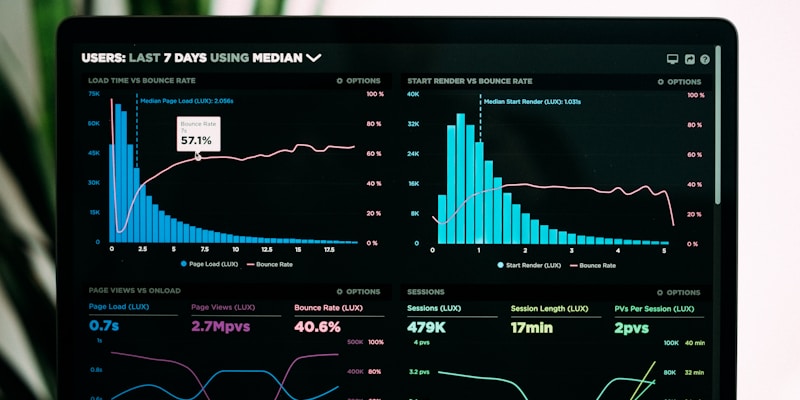
Clear visual explanations make complex future of digital marketing concepts easier to understand and implement
Common Mistakes and Misunderstandings
Learn from common pitfalls and misconceptions that can hinder your future of digital marketing success:
- Avoiding strategic planning and jumping straight to tactics
- Not measuring and analyzing performance regularly
- Ignoring audience feedback and preferences
- Expecting immediate results without allowing time for optimization
- Not staying updated with industry changes and best practices
Practical Example or Scenario
This lesson includes detailed case studies and practical examples that demonstrate successful future of digital marketing implementation across different industries and business types.
Learn how real businesses have applied these strategies to achieve measurable results and overcome common challenges in their digital marketing efforts.
Lesson Summary
This comprehensive lesson on future of digital marketing provides you with the knowledge, tools, and strategies needed to implement effective campaigns that drive real business results.
By mastering these concepts and applying them consistently, you'll be well-equipped to enhance your digital marketing effectiveness and achieve your business objectives.
Key Takeaway
Success in future of digital marketing comes from understanding your audience, implementing proven strategies, and continuously optimizing based on performance data.